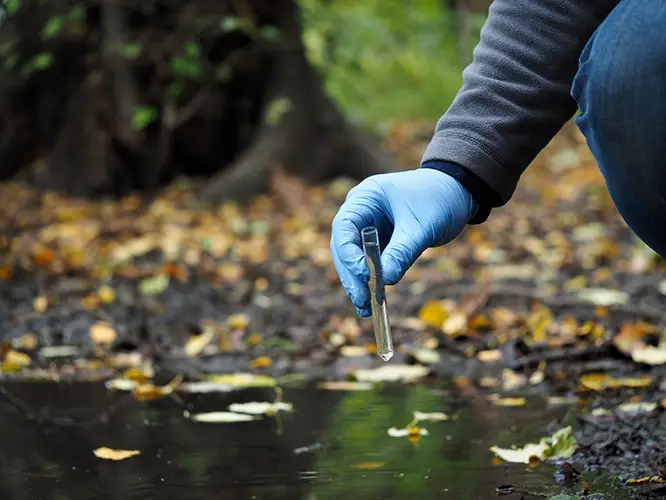

The ‘Living Science Park’
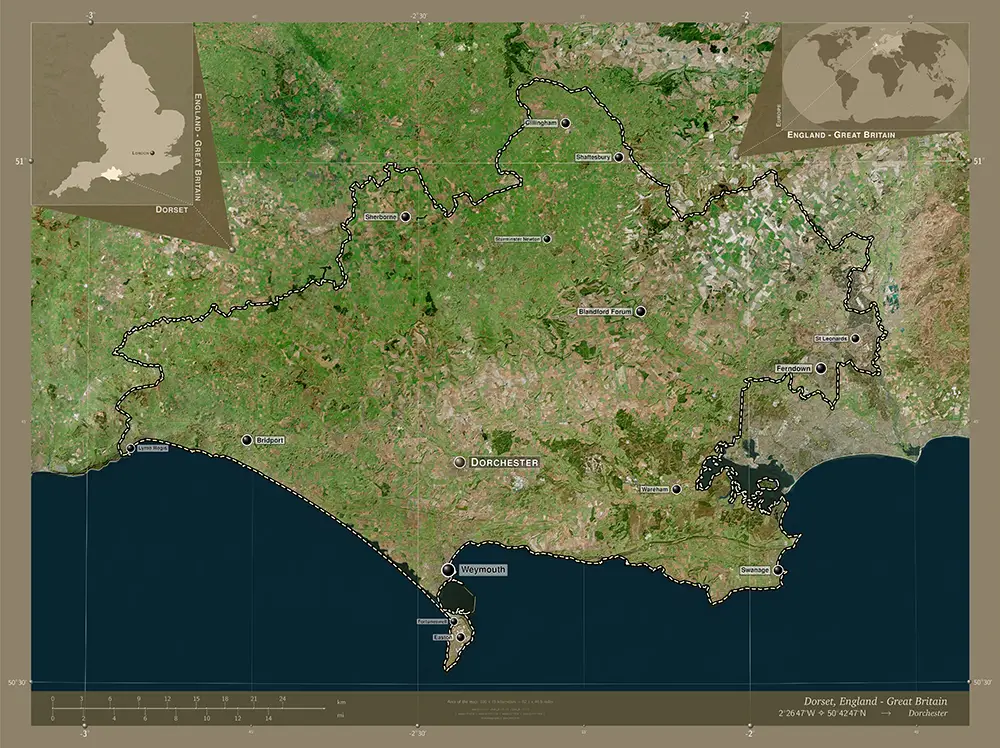
TESTBED Dorset is OHEN’s flagship initiative: a bold re-imagining of Dorset’s diverse landscapes as a distributed Living Science Park.
Rather than building labs, TESTBED aims to engage 20+ major landowners to open access to over 80,000 hectares of research-active land – including coastlines, wetlands, farmlands, woodlands, and conservation sites. These sites form the backbone of a new One Health innovation cluster.
TESTBED aims to deliver at least 50 new RRI projects by 2035
What Will Make TESTBED Unique?
TESTBED Dorset is an ambitious regional initiative that will transform how the UK undertakes landscape-based innovation. By co-ordinating access to real-world environments across more than 20 landowners, TESTBED enables place-based, responsible research and innovation (RRI) focused on public, animal, plant, and environmental health. Its impact will be felt locally and nationally across economic, scientific, and policy domains for generations to come.
This is a new model of distributed research and development (R&D) infrastructure. It transforms Dorset’s coastal, rural, farmed, and managed landscapes into a Living Science Park, a collaborative platform where universities, companies, and public bodies co-develop and trial in the settings where they must ultimately operate. This includes validating bioscience innovations, such as diagnostic tools, smart farming inputs, and nature-based public health interventions.
One of TESTBED’s key impacts will be to enable real-world surveillance and resilience science. Through facilitated access to wetlands, coastal sites, farms, and protected areas, researchers and innovators will be able to deploy field-ready solutions that detect emerging pathogens, monitor environmental quality, and model zoonotic or climate-driven risks. This strengthens the UK’s capacity for horizon scanning, biosecurity, and environmental health control.
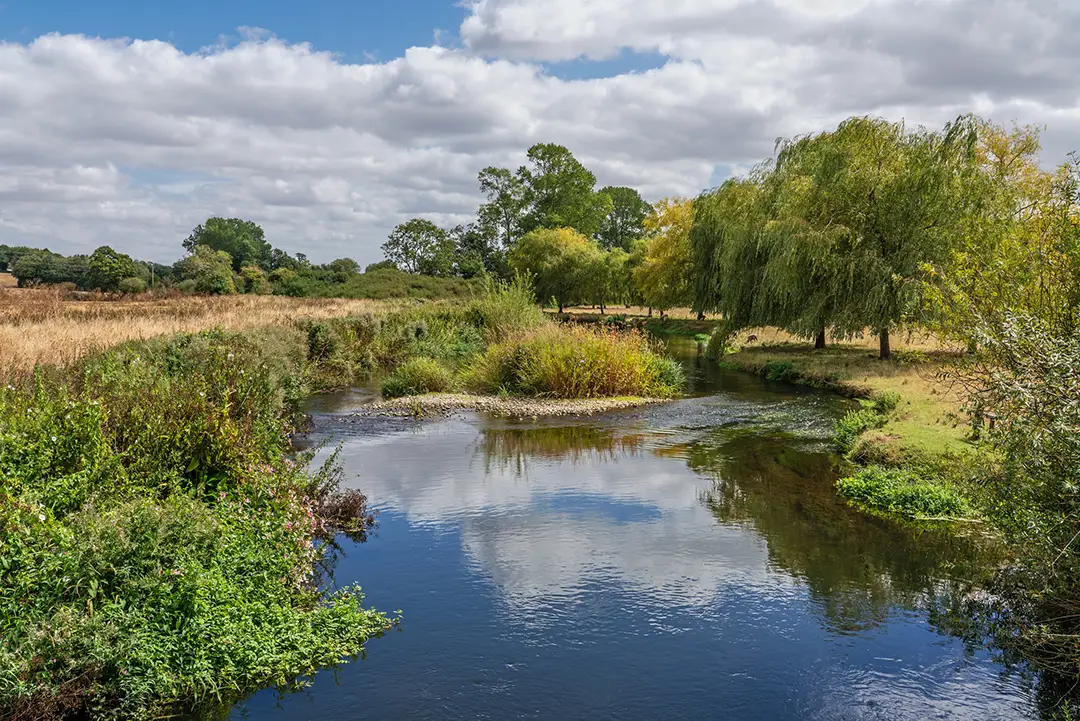
In line with the needs and priorities of landowners – TESTBED will provide facilitated access to Dorset’s research-active landscapes, including Sites of Special Scientific Interest (SSSIs), river catchments and biodiverse habitats.
Over a ten-year period, TESTBED aims to catalyse at least 50 new RRI projects, helping take innovations from bench to landscape and into commercial and policy adoption. To deliver this we envisage some key workstreams. These include the following:
Public Health Innovation
• Surveillance and bioscience-based detection of human health risks in natural and managed settings (e.g. air, water, soil).
• Real-world testing of novel diagnostics, biosensors, and wearable technologies for early detection of infectious agents, environmental stressors, and harmful biofilms.
• Innovation in water quality and sanitation, with Dorset landscapes supporting pilot projects that monitor, reduce, or harness biofilm formation.
• Resilience modelling and stress-testing of public health systems through integrated land-health data (e.g. heat, flooding, pollution).
• Nature-based public health R&D, e.g. green prescribing, microbial exposure for immune health, with evidence gathering in local landscapes.
Animal Health Innovation
• Field-scale bioscience trials in livestock environments, focused on disease prevention, behavioural health, and microbiome resilience.
• Veterinary innovation in vaccine delivery, diagnostic tools, and alternative antimicrobials with biofilm-targeting mechanisms.
• Zoonotic surveillance systems embedded within farms, wetlands, and coastal corridors using environmental sampling and AI-assisted pathogen detection.
• Landscape-based modelling of animal disease pathways, with R&D conducted across varying farm types and land uses to assess risk mitigation.
• Integration of One Health resilience indicators into livestock supply chains and biosecurity planning.
Plant Health Innovation
• Biofilms bioscience R&D on beneficial plant-microbe-soil interactions to enhance crop health and reduce agrochemical dependency.
• Surveillance for invasive pathogens and vectors, combining traditional plant pathology with eDNA and biosensor technologies.
• Innovation in remote and in-field plant health diagnostics, trialled across Dorset’s farmland and rewilding zones.
• Resilience-focused agri-innovation, exploring the capacity of mixed landscapes to buffer climate and disease shocks.
• Testing of biological amendments and smart soil systems, contributing to cleaner growth and sustainable yield improvements.
Environmental Health RRI
• Real-time water quality monitoring R&D using biosensors and mobile testing platforms to track pollutants, pathogens, and biofilms.
• Microbial ecology and biofilms science, applied to nutrient cycling, pollutant remediation, and biodiversity support.
• Use of bioscience-informed indicators (eDNA, microbial diversity, sentinel species) to track landscape resilience to stressors (e.g. drought, wildfire).
• Innovation in data-rich environmental management tools, integrating surveillance data across landowner holdings to inform co-ordinated responses.
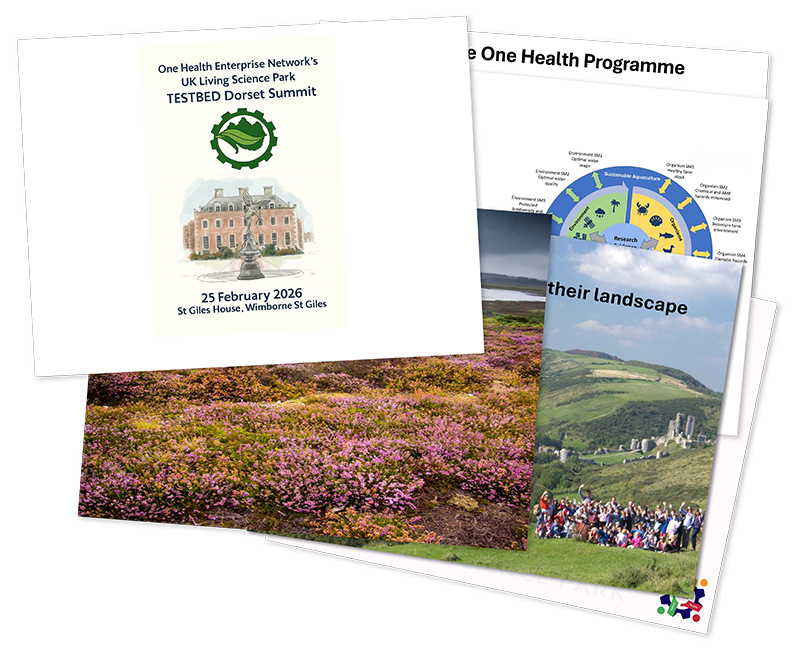
TESTBED Dorset Summit 2026
The recent One Health Enterprise Network’s UK Living Science Park TESTBED Dorset Summit was a huge success. It was a day of many fascinating and innovative guest speakers. This event hosted by Lord Shaftesbury at St Giles House, Wimborne St Giles, starts the process of bringing to life the world’s first Living Science Park.
You can read the entire programme on a pdf file, available here to view or download.
TESTBED Dorset will generate a lasting legacy
By strengthening collaborative pathways between academia, SMEs, landowners, and government, TESTBED enhances the UK’s capacity for translational, place-based science. It directly supports the goals of the UK’s Modern Industrial Strategy – especially in clean growth, life sciences, agritech, and data-driven innovation – and is a practical expression of the government’s ambitions for regional science and innovation ecosystems.
TESTBED Dorset will leave a lasting legacy: a science-ready county that fosters innovation in ways that are ethical, inclusive, environmentally sound, and rooted in local realities – ultimately improving resilience and health outcomes for people, animals, ecosystems, and the economy.
“…a science-ready county that fosters innovation…for people, animals, ecosystems and the wider economy.”